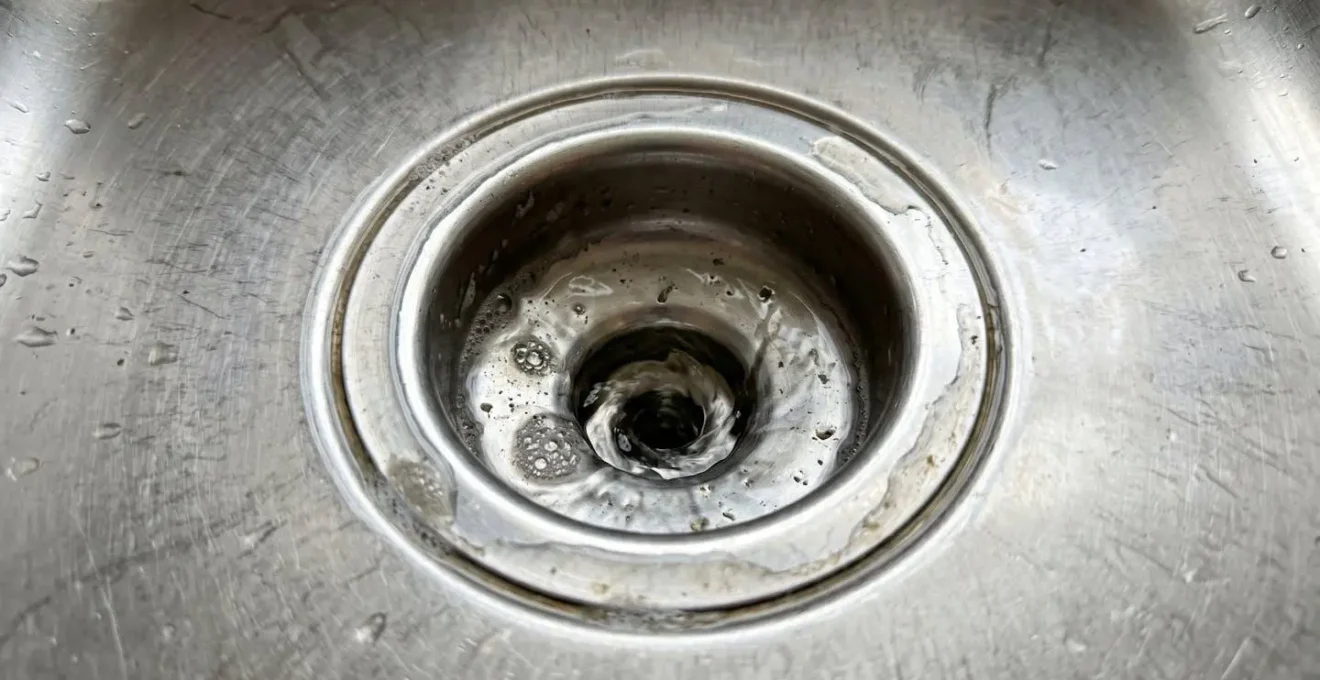
A slow-draining kitchen sink might seem like a minor annoyance you can ignore until next weekend. But when that same sluggish behavior appears in your bathroom fixtures and basement floor drain within the same week, you’ve crossed from nuisance into warning territory. According to the 2025 claims data published by Allstate Canada, water damage from external sources including sewer backup surged 94 per cent last year, now representing nearly a quarter of all residential insurance claims. The financial stakes are clear: what begins as barely noticeable drainage delays often escalates into emergency repairs costing thousands, plus contamination cleanup. Yet 53 per cent of Canadian homeowners surveyed plan to take no preventive action. The difference between those who address drainage problems on their own schedule and those facing midnight emergency calls often comes down to recognizing four specific warning signs before they compound.
The four warning signs that demand attention:
- Multiple fixtures draining slowly at the same time
- Same drain clogging repeatedly despite clearing attempts
- Gurgling or bubbling sounds from drains or toilets
- Persistent foul odours coming from drain openings
Most homeowners lack the ability to see inside their pipes, turning diagnosis into educated guesswork. A kitchen sink that clears after ten minutes of plunging feels like a solved problem. Except the blockage three feet down the main line didn’t go anywhere—you just pushed enough water past it to temporarily restore flow. This diagnostic blind spot creates a predictable pattern: property owners treat symptoms while the underlying structural issue worsens. The progression from initial warning sign to complete system failure typically spans several weeks, though the timeline compresses quickly once multiple symptoms appear simultaneously.
When minor drain issues signal major system problems
Professional drain inspection services eliminate this guesswork through direct visual evidence. Modern camera technology allows plumbers to navigate the entire drainage system, identifying not just blockage locations but also pipe condition, root intrusion points, and structural damage invisible from above. Services like those at arbuckleplumbingsolutions.com provide this precise diagnostic capability, eliminating costly exploratory work and preventing homeowners from wasting time on surface-level fixes when the problem lives six feet underground. The inspection footage removes ambiguity: you see exactly what’s blocking your system, where it’s located, and what’s required to resolve it permanently. This clarity transforms decision-making from anxious uncertainty into informed action based on documented evidence rather than plumber speculation or worst-case assumptions.
The four warning signs that follow represent your opportunity to leverage professional assessment before minor issues compound into emergency situations. Each signal indicates a different failure mode within your drainage system, and recognizing them early determines whether you schedule a routine inspection or wake up to sewage backing up through your basement floor drain.
Slow draining affecting multiple fixtures simultaneously
When your kitchen sink, bathroom vanity, and shower all drain sluggishly during the same timeframe, the problem isn’t coincidence or bad luck with three separate clogs. Fixtures throughout your home share a common pathway: the main sewer line carrying wastewater from your house to the municipal system. Isolated slow draining in a single sink suggests a localized clog in that specific P-trap or fixture drain. Multiple fixtures draining slowly simultaneously point to a blockage downstream where all those individual lines converge—your main line. This distinction matters because the solutions and cost implications differ dramatically.
Understanding the difference between localized and systemic drainage problems determines whether you need a plunger or professional assessment. The distinction below clarifies the diagnostic significance of symptom patterns.
Single fixture vs. multiple fixtures: What the difference reveals
One slow drain typically indicates a clog in that specific P-trap or fixture line—often manageable with a plunger or drain snake. Multiple fixtures draining slowly at the same time signal a main sewer line obstruction affecting your entire drainage system, requiring professional assessment and equipment.
Main sewer line blockages develop through several mechanisms. Tree roots infiltrate aging clay or concrete pipes through hairline cracks, expanding into dense masses that snag debris and slow flow. Decades of grease, soap residue, and mineral deposits gradually narrow pipe diameter. In older Ontario neighborhoods with infrastructure installed before modern materials became standard, collapsed or offset pipe sections create permanent restrictions. Unlike a hair clog you can pull from your bathroom drain, these systemic issues sit beyond reach of consumer tools.
The assessment priority shifts when multiple drains exhibit symptoms. Rather than attempting fixture-by-fixture solutions, professional evaluation identifies the shared failure point. Experienced plumbers recognize patterns: if your basement floor drain backs up when you run the washing machine, or your toilet gurgles when someone showers upstairs, the main line carries restriction severe enough to create pressure cascades throughout the system.
Recurring clogs in the same drain location
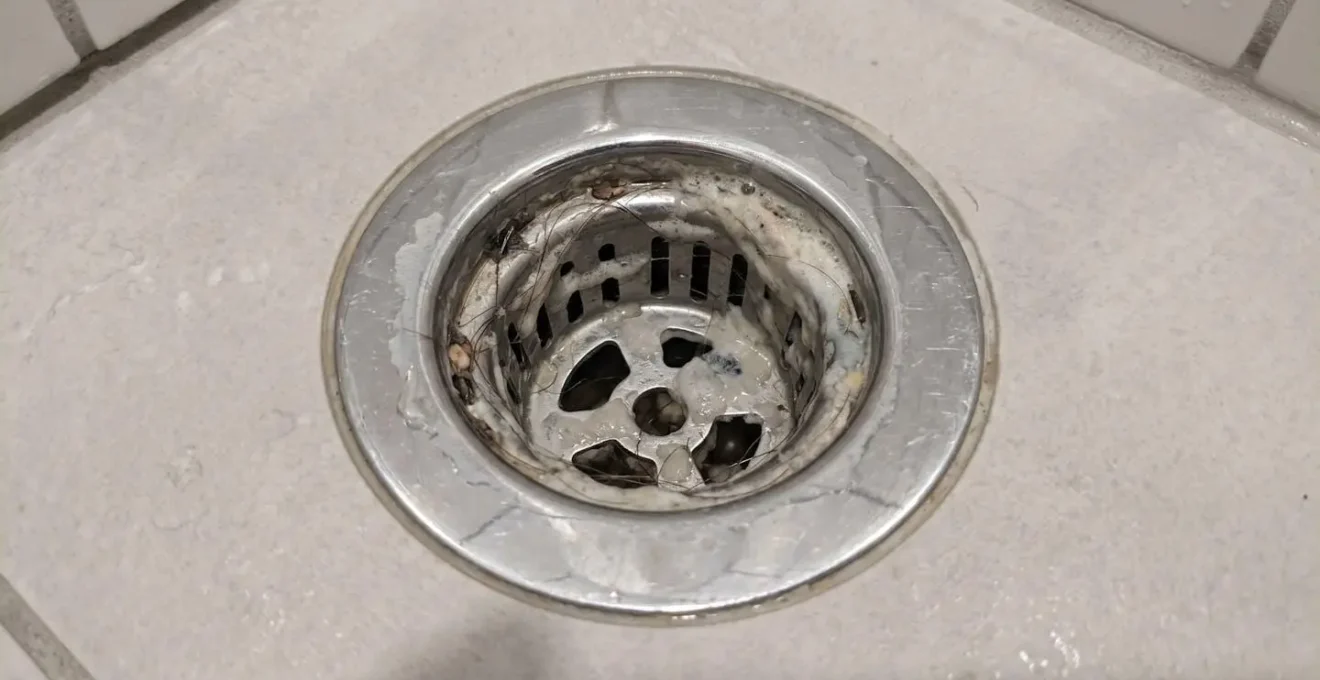
Frequency reveals everything. Clearing a bathtub drain once because your teenager’s long hair created a temporary blockage represents normal household maintenance. Plunging that same tub monthly, then weekly, then twice weekly indicates you’re treating a symptom while the disease progresses unchecked. Recurring clogs in an identical location signal one of three underlying conditions: tree root intrusion creating a snag point where debris accumulates, damaged pipe sections with rough interior surfaces that catch material, or severe scale buildup that’s narrowed the pipe diameter to the point where normal use exceeds flow capacity.
The pattern matters more than the individual incident. Homes in established Ontario neighborhoods with mature trees face predictable root intrusion patterns, particularly in properties with original clay sewer lines installed before plastic became standard. Roots seek moisture and nutrients, infiltrating through pipe joints and hairline cracks. Once established, they create a permanent collection point where grease, soap residue, and solid waste snag and accumulate. Chemical drain cleaners and mechanical snaking provide temporary relief by clearing the accumulated debris, but the root structure remains embedded in the pipe wall, immediately beginning to collect new material. Actual resolution requires removing the root mass and potentially replacing the compromised pipe section.
Profile: Jennifer, a 42-year-old homeowner in Guelph, noticed her kitchen sink draining slowly two weeks ago. Working full-time with limited availability during business hours, she used a plunger and assumed the problem was solved when water eventually cleared.
Escalation: The slow draining returned within five days. Then weekly. Then twice weekly. Each plunging session provided shorter relief. Jennifer purchased chemical drain cleaner, which worked for three days before the clog returned. She dismissed it as “an annoying sink” rather than recognizing the recurring pattern as a systemic issue.
Crisis point: During a family dinner party, both the kitchen sink and bathroom drains backed up simultaneously. Water pooled in the basement floor drain. Jennifer called an emergency plumber on a Saturday evening.
Root cause discovered: Camera inspection revealed the main sewer line was 80% blocked by tree root intrusion from the mature maple in her front yard. The roots had infiltrated through a hairline crack, expanding over months into a dense mass that trapped debris with each use.
Total cost: $850 emergency weekend service call + $2,400 for camera inspection, hydro-jetting root removal, and pipe section repair = $3,250. Had Jennifer scheduled professional assessment when the recurring monthly pattern first appeared (week 3-4), standard service during business hours would have cost $400-$600.
Key lesson: The pattern mattered more than the individual clog. Recurring clogs in the same location—especially with shortening relief intervals—signal underlying structural issues requiring diagnosis, not repeated surface treatment.
Chemical drain cleaners and mechanical snaking provide temporary relief by clearing the accumulated debris, but the root structure remains embedded in the pipe wall, immediately beginning to collect new material. The timeline below illustrates how neglected recurring clogs escalate from monthly inconvenience to daily emergency.
The escalation timeline for recurring clogs: What starts as a monthly inconvenience compounds into weekly emergencies, then daily struggles. Each plunging session or chemical treatment provides shorter relief periods as the underlying obstruction expands. Delaying root cause assessment converts a controlled repair situation into an emergency requiring same-day service at premium rates.
Gurgling sounds from drains or toilets
The physics of drainage systems require air pressure equalization. As water flows down your drains, air must replace that volume to prevent vacuum formation that would slow or stop drainage entirely. Properly functioning plumbing achieves this through vent pipes that extend through your roof, allowing atmospheric pressure to enter the system and equalize pressure as wastewater exits. Gurgling sounds indicate this air exchange is compromised—either because a developing blockage is forcing air through the water in your P-traps, or because the vent system itself has failed, creating pressure differentials that manifest as bubbling, gurgling, or sucking sounds.
Occasional gurgling from a single fixture after heavy use might reflect temporary pressure fluctuations. Consistent gurgling across multiple fixtures, or toilet gurgling when you run the washing machine, signals systemic venting or main line problems. The interconnection reveals the diagnostic clue: when using water in one area triggers sounds in completely separate fixtures, those separate drain lines share a common problem point downstream. This cross-fixture symptom pattern appears in homes with partial main line blockages significant enough to disrupt normal air flow and pressure equalization throughout the entire drainage network.
Persistent foul odours coming from drains
Drain odours divide into two categories: the temporary smell from a dried P-trap that disappeared after running water, and the persistent sewage odour that returns hours after cleaning and ventilating. The latter indicates sewer gas escape into your living spaces—a problem that extends beyond unpleasant smells into legitimate safety concerns. Sewer gas contains methane, hydrogen sulfide, and ammonia, creating both health risks and explosion hazards in enclosed spaces. Persistent odours signal that gases are bypassing the water seals designed to block them, either because those seals have failed, your venting system is compromised, or pressure from a partial blockage is forcing gases backward through fixture drains.
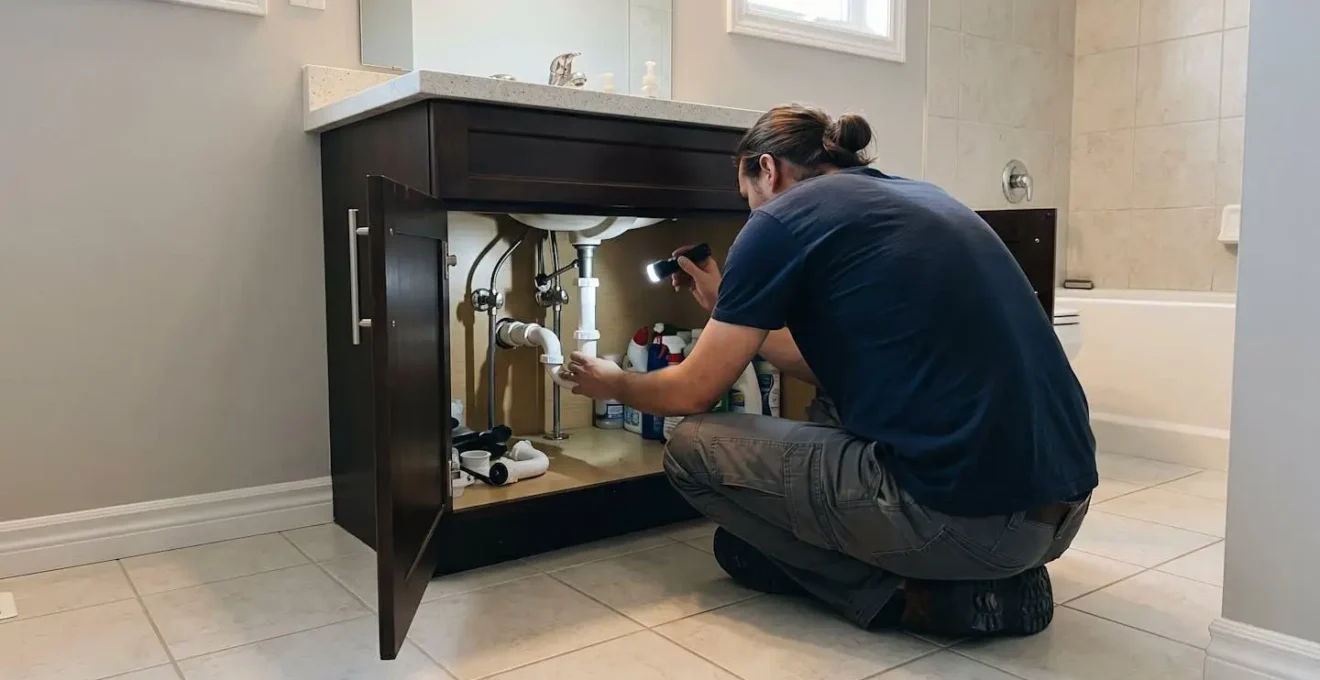
Dried P-traps in rarely used basement floor drains represent the simplest cause—resolution involves pouring water down the drain monthly to maintain the seal. Persistent odours despite maintained water seals point to venting failures or main line issues forcing pressure back through your system. Ontario municipalities increasingly recognize this risk: Guelph‘s municipal backflow prevention requirements mandate annual testing of backflow devices by qualified professionals, reflecting the serious health and safety implications when drainage systems allow contaminants or gases to migrate into homes.
Recognizing the escalating costs of sewer backup damage, as outlined in Halton Region‘s updated 2025 subsidy program, homeowners installing backwater valves can now claim up to $1,600—more than double the previous $675 maximum. These valves automatically close when municipal sewers become overloaded during heavy rainfall, preventing backward flow into basements. The substantial subsidy increase signals government acknowledgment of both the problem’s severity and the prevention technology’s effectiveness. Property owners must inspect and clean these valves quarterly to maintain protection.
Recognizing warning signs matters only if you know how to translate them into appropriate action. The decision framework below correlates symptom combinations with recommended response timelines, helping you distinguish situations requiring monitoring from those demanding immediate professional intervention.
- One warning sign, recent onset (within past week):
Monitor drainage behavior closely over the next 3-5 days. Document whether symptoms worsen, remain stable, or resolve. If the problem persists beyond five days or intensifies, schedule professional assessment rather than continuing DIY approaches.
- Two warning signs appearing simultaneously:
Contact a licensed plumber within the next week for diagnostic evaluation. Two concurrent symptoms indicate a systemic issue beyond simple fixture clogs, making further delay counterproductive and risking sudden escalation.
- Three or more warning signs, or basement floor drain backup:
Arrange professional service within 24-48 hours. Multiple symptoms signal advanced blockage with high risk of complete failure and sewage backup. Basement floor drain issues specifically indicate main line compromise requiring immediate attention.
While the decision framework above provides action thresholds based on symptom severity, homeowners frequently encounter specific questions about drainage behavior that the general framework doesn’t address. Understanding why certain symptoms appear, what they indicate mechanically, and when DIY approaches remain appropriate versus counterproductive helps bridge the gap between recognizing warning signs and taking confident action. The questions homeowners ask most frequently reveal common misconceptions about drain problems and when professional intervention becomes necessary versus continuing DIY attempts.
Can I fix slow drains myself or should I call a plumber?
Single-fixture slow draining often responds to plunger work or drain snake tools available at hardware stores. When multiple fixtures drain slowly simultaneously, or when one drain clogs repeatedly despite clearing, professional diagnosis becomes necessary. These patterns indicate main line issues beyond the reach of consumer tools, and continued DIY attempts waste time while the underlying problem worsens.
How quickly do drain problems progress from warning signs to complete blockage?
Progression timelines vary by blockage type and household water usage, typically spanning 2-6 weeks from initial symptoms to complete failure. Root intrusions and grease accumulation advance gradually, while items flushed incorrectly can create sudden obstructions. The key pattern: once you notice symptoms, they rarely resolve spontaneously and generally intensify without intervention.
What causes gurgling sounds and should I worry about them?
Gurgling indicates air pressure problems in your drainage system, usually from partial blockages disrupting normal air flow or venting system failures. Occasional gurgling from a single fixture after heavy use may not signal immediate crisis, but consistent gurgling across multiple fixtures demands assessment. The cross-fixture pattern indicates shared blockage points affecting your entire system.
How much does professional drain inspection cost compared to emergency repairs?
Scheduled drain assessment and camera inspection typically cost a fraction of emergency service calls, which carry premium rates for same-day response. When water damage enters the equation—requiring contamination cleanup, flooring replacement, and mold remediation—costs escalate into thousands of dollars. Early professional evaluation represents insurance against these compounding expenses.
Your next steps when warning signs appear
Before contacting a professional, gathering specific information about your drainage symptoms strengthens diagnostic accuracy and prevents costly exploratory work. The checklist below outlines immediate documentation steps that prevent minor symptoms from escalating into emergencies while providing plumbers with the precise details they need for efficient assessment.
- Document which fixtures show symptoms and when they started
- Note whether problems occur simultaneously across multiple drains
- Schedule professional assessment if patterns persist beyond five days
- Avoid chemical drain cleaners on recurring clogs—they treat symptoms, not causes
The difference between minor inconvenience and major catastrophe often comes down to recognizing these four patterns before they compound. Drainage systems communicate their deterioration through specific signals, and homeowners who respond to early warnings maintain control over timing and costs rather than reacting to midnight emergencies.
Limitations of this guide:
- This guide provides general warning signs and does not replace a professional inspection tailored to your specific plumbing configuration
- Drainage system designs vary by home age, municipal requirements, and local building codes
- Symptoms described may have multiple causes requiring specialized diagnostic equipment to identify accurately
Risks if professional guidance is not sought:
- Attempting DIY repairs on main sewer lines can result in sewage exposure and health contamination
- Delaying professional assessment when multiple warning signs appear can lead to complete system failure and water damage exceeding $5,000-$15,000
- Ignoring gurgling sounds or foul odours may indicate sewer gas buildup, which is flammable and toxic in enclosed spaces
For any plumbing concern, consult a licensed plumber certified in Ontario or certified plumbing contractor.